
.jpg)
Protect your people with our practical online courses in workplace health, safety and wellbeing for New Zealand and Australia.
Instant, online, ready-to-go training built for real workplaces in New Zealand and Australia. Quick to access, easy to understand, and perfect for inductions, toolbox talks and quick refreshers.
Check out a preview of our animated learning content:
Each course bundles a set of modules together. Every module contains an animated explainer video and a quiz to test your team’s knowledge.

Master hazard identification, risk management and safe work practices through engaging videos, interactive modules and quizzes. Includes Hazard Identification, Alcohol and Drugs, Manual Handling, Managing Workplace Fatigue, and Slips Trips and Falls.

Core safety skills for construction and trades teams working on New Zealand and Australian sites. Includes Hazard Identification, Manual Handling, Slips Trips and Falls, Working at Heights, and Personal Protective Equipment.

Foundational safety for warehouse and logistics teams. Includes Forklift Safety for Pedestrians, Manual Handling, Slips Trips and Falls, Hazard Identification, and Fire Safety Procedures.

Essential safety for healthcare and support workers, protecting your team and the people they care for. Includes Manual Handling, Slips Trips and Falls, Workplace Stress, Managing Workplace Fatigue, and Chemical Handling.

Everything your drivers need to know before they head off, plus the core skills that keep them safe on the road. Includes Driver Position, Eyes Up Driving, Distractions, Mobile Phones, Speed, and Driver Fatigue.

Build on the fundamentals with practical on-road driving skills and risk awareness. Includes Loose Objects, Intersections, Night Driving, and Manoeuvring.
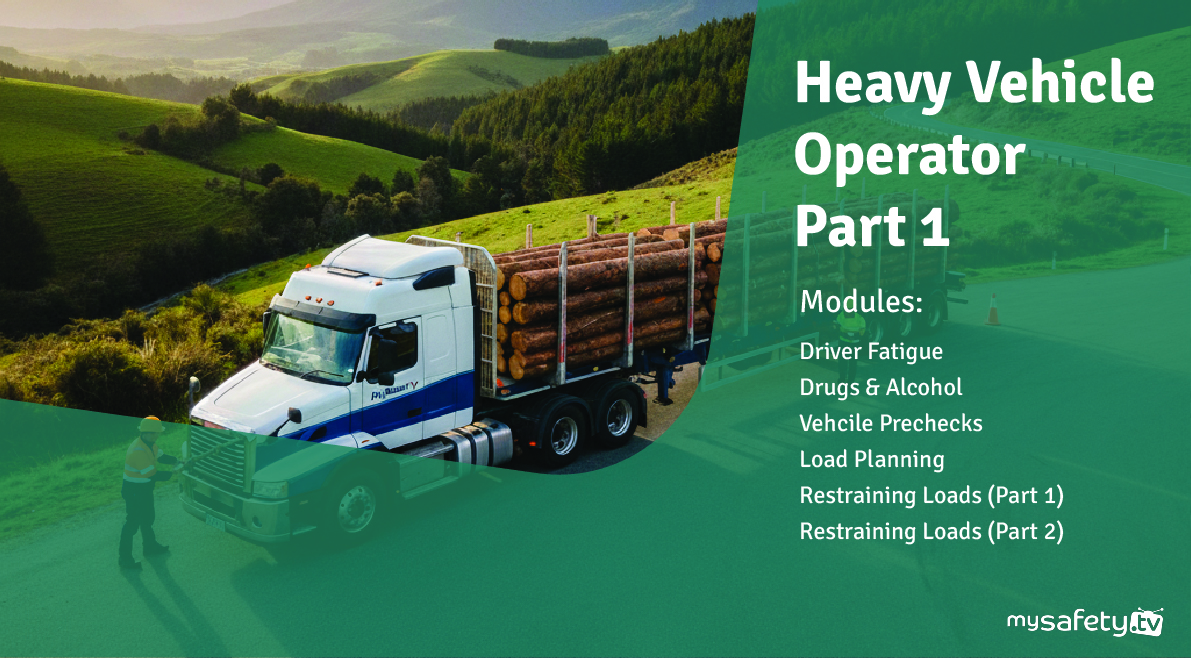
Master heavy vehicle safety and stay compliant on the road. Covers the essential trucking modules: Driver Fatigue, Drugs and Alcohol, Vehicle Prechecks, Load Planning, and Restraining Loads Parts 1 and 2.

Calculate safe stopping distances, manage fatigue through compliance, and anticipate dangers before they occur. Includes Log Books, Following Distances, Distractions, Vehicle Dynamics, Hazard and Risk Reduction, and Vehicle Prechecks.
Individual modules can also be taken on their own. Each one contains an animated explainer video and a quiz to test your team's knowledge, and takes about 10 minutes to complete.
.png)
Find out what a hazard is, how to identify a hazard, understand the risk and how this may cause harm to you or others.
.png)
It's great to be able to drive a workplace car around but there are some responsibilities that you must be aware of to keep you and those around you safe.
.png)
Learn about the symptoms of fatigue, its possible causes, and effective ways to deal with it.
.png)
Learn what you can expect from your employer and what is expected from you, to ensure a healthy and safe work environment for all.
.png)
Discover the safety precautions as a pedestrian walking in an environment with forklifts.
.png)
Learn about different types of fire and the correct extinguisher to use.
.png)
Learn what causes workplace stress, the signs of stress and how it can be reduced.
.png)
Learn what working from heights is all about and your employer’s responsibilities as well as your own as a worker.
.png)
Explore manual handling, the associated hazards and how to perform tasks correctly and safely.
.png)
Learn about different fire risks at work, how to avoid them and the key role fire wardens have.
Be prepared in case of a fire at your workplace. Find out what to do and what not to do, plus the requirements for an evacuation plan and the responsibilities of the fire warden.
.png)
One of the most common but most preventable injuries in the workplace. Learn what causes slips, trips and falls, and the simple steps that stop them happening.
Learn what PPE is, why it is crucial for your safety, the different types available, and the responsibilities of both employer and worker in providing, maintaining and properly using it.
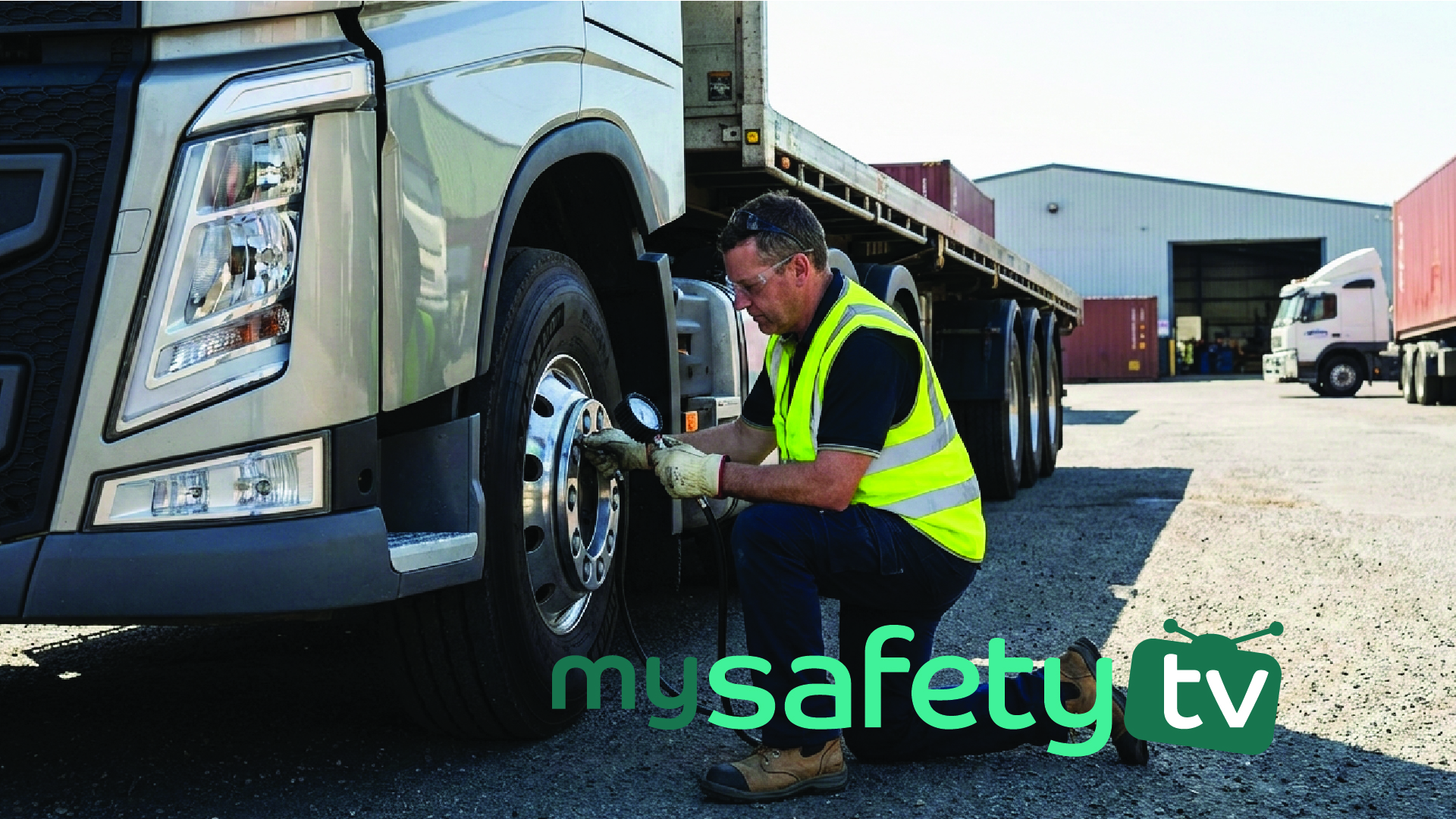
Minimise risk with a ten-minute pre-trip inspection. Learn to check the exterior, tyres, lights and fluids, alongside documents like COF and RUC labels, so you know the vehicle is roadworthy before starting the engine.
Fatigue causes 13% of heavy vehicle crashes. Learn the warning signs like slow reactions and drift, plus strategies to manage fatigue through sleep hygiene, diet, hydration and trip planning.

Understand how substances affect driving, reaction times and sleep. This module debunks sobering-up myths, highlights prescription medication risks, and covers the workplace policies that keep drivers alert and compliant.

Strategic load planning keeps your vehicle stable and safe. Master weight distribution, axle limits and centre of gravity, and learn to sequence deliveries and handle dangerous goods documentation on every trip.

Prevent loose loads by mastering tie-down, blocking and direct restraints. Learn about friction forces, rated anchor points and correct lashing angles so your load stays secure and compliant.

A deep dive into lashing equipment so you select the right tools for the job. Covers webbing, chains and dunnage, plus the specific force requirements for restraining forward, sideways and vertical movement.

Manage fatigue and avoid fines by mastering logbook rules. Understand work-time limits, rest breaks and cumulative periods, and learn to record hours accurately and handle exemptions in New Zealand and Australia.
Heavy vehicles need more stopping distance. Master the four-second rule and learn when to increase the gap for wet weather or grades, so you can always stop safely within the visible road.
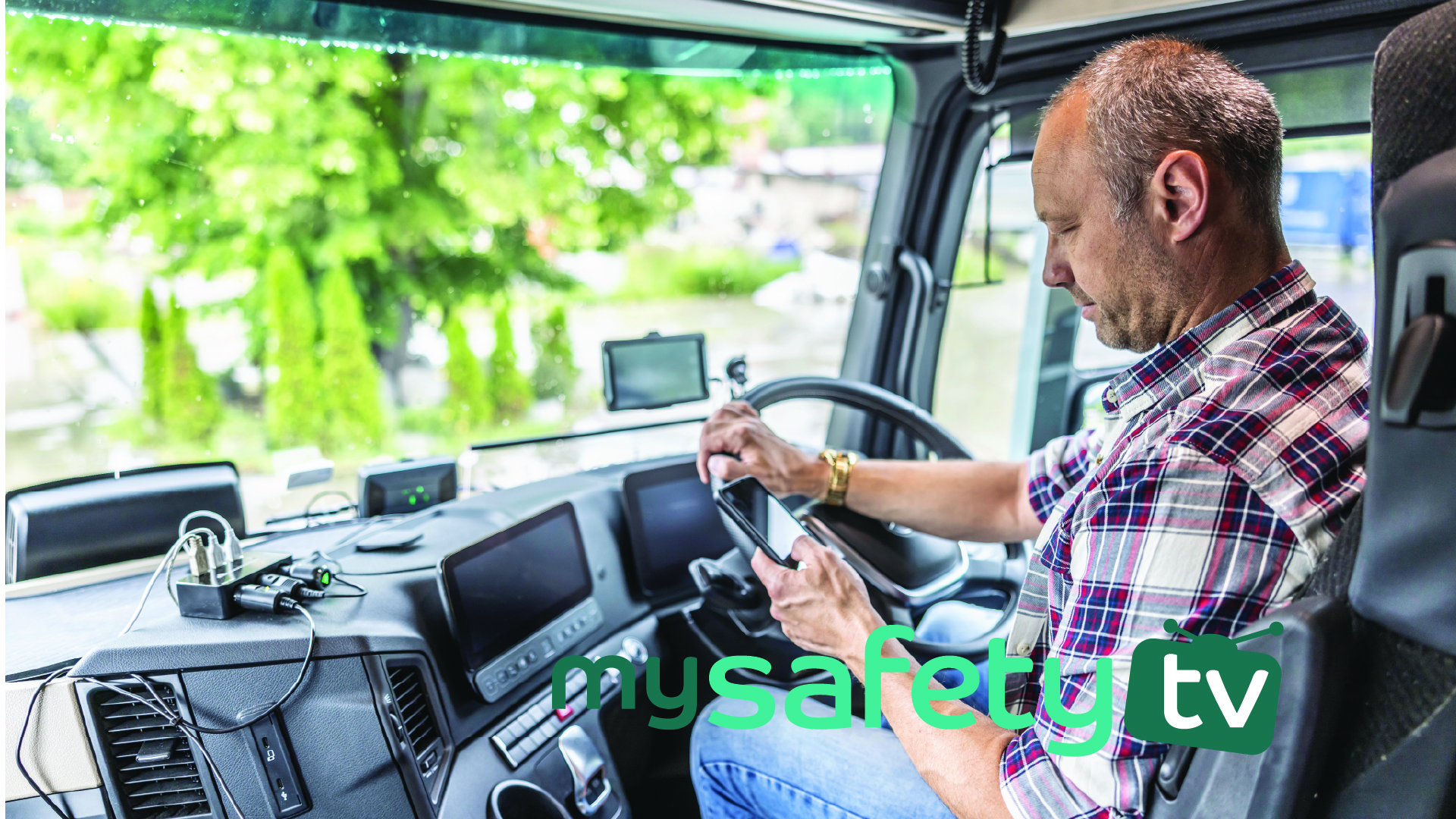
Identify manual, visual and cognitive distractions, with a focus on the dangers of mobile phones. Learn strategies to stay focused, plan routes effectively and manage mental fatigue.

Explore the physics of heavy vehicles to prevent loss of control. Learn how kinetic energy, friction and centrifugal force affect stability, and master speed management and load balancing to prevent rollovers.

Master the six basic road hazards: driver, vehicle, weather, light, road and traffic. Use the Hazard Action Plan and scanning techniques to predict risks and maintain a safety cushion around your truck.

Manage the risks of reduced visibility and biological fatigue. Learn to handle hazards like black ice and fog, understand the natural fatigue window between 3am and 5am, and prepare vehicle lighting for safe night operations.
Have questions? Fill out the form below and we’ll get back to you soon.
.png)
.png)
.png)
![[background image] calm office setting (for a digital marketing & advertising agency)](https://cdn.prod.website-files.com/6a4898f7bf274d9b9ec94de4/6a489a2f0a823a381940cf3f_7ae7f97b-d3f7-4d30-8cb5-64cc245e0e8c.avif)